Grassroots Initiatives: How Lithuanian Communities Drive Local Change
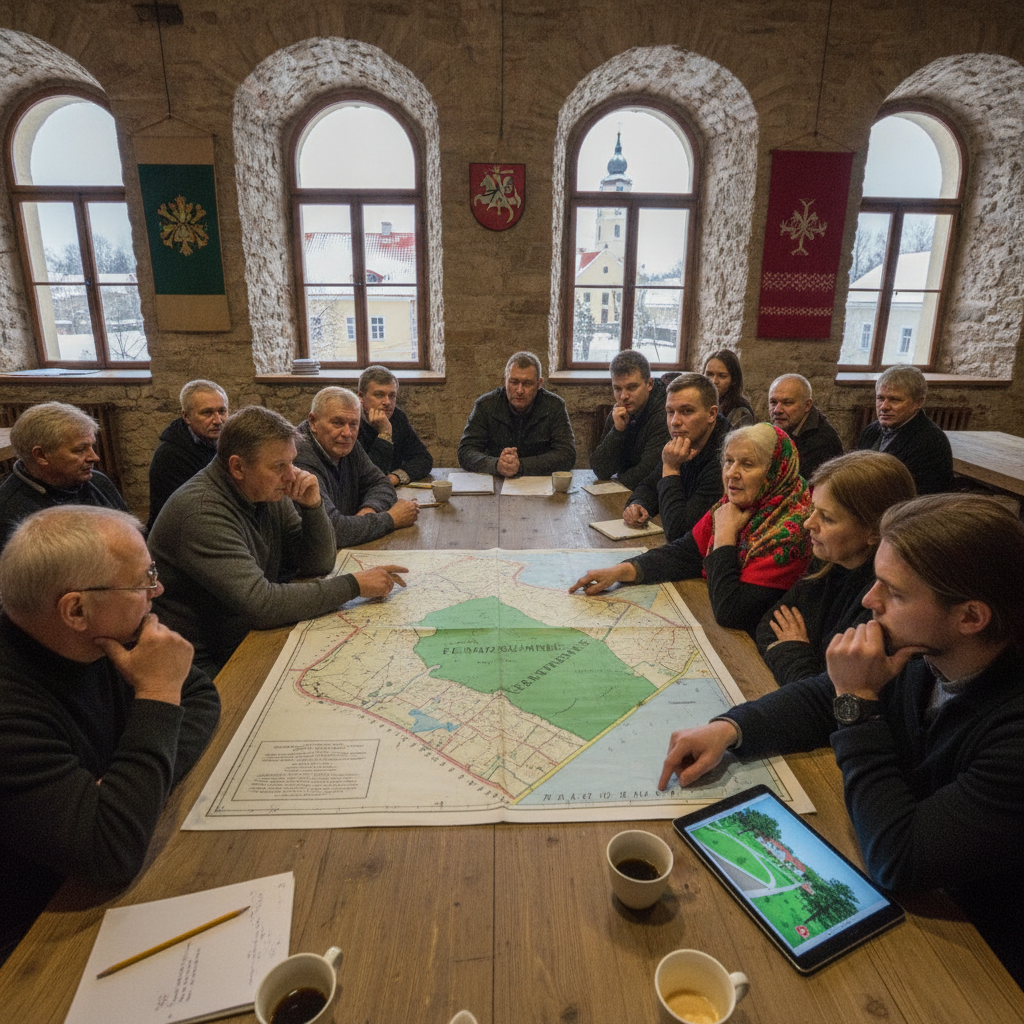
Local change often starts with a practical question: what would make this neighborhood, village, or town work better for the people who live there? In Lithuania, residents can turn that question into action by sharing local knowledge, organizing around common concerns, and engaging municipal institutions.
Grassroots initiatives can improve a public space, draw attention to a service gap, or help more residents take part in civic life. Their influence depends on local circumstances, sustained participation, and how decision-makers respond. They offer a route into public discussion, not a guarantee of a particular policy outcome.
What grassroots action means in Lithuania
Grassroots action in Lithuania is community-led work that begins with residents identifying a local concern and organizing a response. Unlike a top-down program designed by public authorities, it starts with people closest to the issue and may later involve local government, NGOs, or other partners.
The term covers a range of activity: neighbors coordinating a clean-up, parents advocating for safer routes to school, or residents asking a municipal council to consider a service or planning issue. Some initiatives remain informal; others develop into associations or work with established non-governmental organizations.
Community-led does not mean government-free. Municipalities have responsibilities, budgets, and formal procedures that residents may need to navigate. A grassroots group can help define a problem, gather support, and keep it visible, while public authorities retain their own decision-making duties. The relationship may involve cooperation, negotiation, or disagreement.
Lithuanian communities are not all alike. A larger city neighborhood, a small town, and a rural settlement may have different priorities, resources, and access to decision-makers. Effective civic participation begins by understanding those local conditions rather than assuming one model fits everywhere.
Where local initiatives begin
Local initiatives often begin when residents recognize a shared concern that existing services or plans have not addressed. First-hand knowledge helps the group define what is happening, who is affected, and what change would be useful.
A concern may surface through everyday experience: a public space that feels inaccessible, a gap in activities for young people, or uncertainty about a local planning proposal. One person’s experience can prompt a conversation, but a clearer picture usually emerges when neighbors compare observations and hear from people with different needs.
Before proposing a solution, organizers can use a simple listen, define, test sequence:
- Listen: Ask residents what they experience and what they have already tried. Include people who are less likely to attend public meetings.
- Define: Describe the issue in plain language. Separate the underlying need from a single proposed fix.
- Test: Check who has authority, what information is available, and whether a small, practical first step is possible.
This approach prevents a common mismatch: campaigning for a specific answer before confirming that it addresses the wider concern. Local knowledge makes an initiative more relevant, while early fact-checking helps residents focus their effort.
How communities organize and build support
Communities organize through informal resident groups, associations, NGOs, and partnerships with local institutions. The right structure depends on the work: a short-term effort may need a few volunteers, while an ongoing project may benefit from a formal organization.
Informal groups can get moving quickly. Residents can meet, divide tasks, gather feedback, and share updates without first creating an organization. That flexibility has limits: responsibilities may be unclear, volunteer capacity can fade, and it may be harder to manage funds or represent the group formally.
NGOs can offer experience with project planning, communications, funding applications, or public engagement. They may also connect residents with other organizations and help translate a local concern into a practical proposal. The community should still shape the priorities; an NGO’s expertise is most useful when it strengthens resident leadership rather than replacing it.
To build broader support, organizers can:
- Explain the issue and the requested next step in clear, non-technical language.
- Offer more than one way to take part, such as a short survey, a conversation, or a public meeting.
- Share meeting notes and decisions so people who cannot attend can follow the work.
- Make roles specific, such as contacting residents, documenting concerns, or checking municipal procedures.
Partnerships with schools, local service providers, cultural groups, or businesses may add knowledge and capacity. They can also introduce competing priorities, so agreements about decision-making and credit should be clear from the start.
Working with municipal government
Residents can engage municipal government by presenting a clear concern to the relevant municipal department or elected representative, taking part in public consultations, and following up through the municipality’s published procedures. The route varies with the issue and the municipality, so confirming the correct contact and process is an important first step.
For a useful first submission, describe the location or service involved, explain who is affected, provide relevant observations, and state what response you are seeking. Attachments such as photographs, a simple map, or a summary of resident feedback can make the issue easier to assess. Avoid collecting unnecessary personal information.
Public consultations give residents an opportunity to comment on proposals or plans. To contribute effectively, read the material available, note deadlines, and connect comments to specific impacts or feasible alternatives. A consultation is an opportunity to provide input, not a promise that every suggestion will be adopted.
Residents can also contact municipal councillors, attend open meetings where available, and ask how decisions will be recorded or revisited. Keeping copies of correspondence and agreeing on one or two group contacts helps maintain continuity. For information on Lithuania’s local self-government framework, consult the official materials published by the Ministry of the Interior of the Republic of Lithuania; procedures for a specific matter should be checked with the relevant municipality.
What grassroots initiatives can change
Grassroots initiatives can influence local services, public spaces, community life, and civic participation. Their results may be direct, such as a change to a local activity, or less immediate, such as bringing an overlooked concern into a municipal discussion.
Possible areas of influence include:
- Public spaces: Residents can identify access or maintenance needs and advocate for improvements to parks, paths, or shared facilities.
- Services and activities: Community organizing can reveal gaps in local information, cultural events, or opportunities for young people and older residents.
- Planning decisions: Local advocacy can bring lived experience into conversations about development, mobility, or changes to neighborhood facilities.
- Civic participation: Taking part in an initiative can help residents learn how to find information, make a case, and work collectively.
Results are not always immediate or visible as a finished project. A municipality may request more information, suggest a different option, or decline a proposal because of legal, financial, or technical constraints. Even then, a well-documented initiative can clarify the issue, create a record of community priorities, and inform future discussions.
Challenges to sustaining local change
Grassroots initiatives can struggle to last when a small number of volunteers carry the work, funding is uncertain, or the group does not reflect the range of residents affected. Sustaining local change requires realistic expectations, shared responsibility, and ways to keep people informed.
Time is a common constraint. People have jobs, care responsibilities, and different schedules, so recurring meetings can exclude those with less flexibility. Rotating tasks, setting a clear time limit for meetings, and offering asynchronous ways to contribute can reduce that burden.
Representation also takes deliberate effort. The most vocal participants may not represent the whole community, especially if language, disability, age, transport, or digital access affects who can join. Organizers should ask who is missing and adapt outreach before claiming broad support.
Other difficulties include short-term funding, slow administrative processes, changing municipal priorities, and disagreement within the group. These issues do not mean an initiative has failed. They do mean that residents should distinguish between what they can control, such as the quality of their evidence and communication, and what depends on public decisions or available resources.
Lessons for stronger community action
Stronger community action is inclusive, transparent, and focused on a specific need. Residents are more likely to sustain an initiative when they share responsibility, communicate openly, and set realistic goals for engaging local decision-makers.
Start with a modest, clear objective: document a problem, request a meeting, gather responses from affected residents, or submit a proposal by a stated deadline. Record who is responsible for each task and when the group will review progress. Small milestones make it easier to see whether the approach is working.
Keep the process open. Share what the group knows, what remains uncertain, and how decisions are being made. When a proposal changes, explain why. If municipal officials cannot support the original request, ask what alternatives, evidence, or future process might be relevant.
Finally, plan for continuity. Keep meeting notes and contact details in an accessible place, invite new participants into defined roles, and review the initiative after major milestones. Local change rarely follows a straight line. A careful record and a broader base of participation help communities return to the issue with more knowledge and stronger relationships.
Frequently asked questions
What counts as a grassroots initiative?
A grassroots initiative is organized by residents or community members around a shared local concern. It might be an informal campaign, a neighborhood project, an association, or an NGO-supported effort. Its defining feature is that local participants help set the priorities and shape the response.
How can residents raise a local issue with their municipality?
Identify the municipal department or elected representative responsible, then submit a concise description of the issue, its local impact, and the response you are requesting. Include relevant evidence, check whether a consultation or formal procedure applies, and keep a record of correspondence and deadlines.
What role can NGOs play in community-led change?
NGOs can provide organizing experience, connect groups with partners, and help with communication, project planning, or funding applications. Their role works best when residents remain involved in setting goals and deciding how the initiative represents the community.
How can a local initiative include a wider range of residents?
Use several ways to gather input, choose accessible meeting times and locations, and provide clear information in formats people can use. Ask directly which groups are missing, invite them through trusted local networks, and report back on how their feedback affected the initiative.